
Is a Disney Cruise Worth It? Here's Why I Say Yes (Most of the Time)
Let's just say it out loud: Disney Cruise Line is not the cheapest way to get a family vacation at sea. If you put a Disney sailing side by side with a comparable itinerary on Royal Caribbean or Carnival, you're likely looking at a bigger number on the Disney side. I'm not going to pretend otherwise — and I don't think you should book blind to it either.
But "expensive" and "worth it" aren't the same conversation. As someone who plans Disney vacations for a living, my take is this: DCL isn't for everyone, but it's a genuinely great fit for most families, especially the ones who value a seamless, elevated experience over squeezing every last dollar out of a cruise fare. Everything is planned for you, and honestly, that makes for one of the easiest, most relaxing vacations you can take. Here's the honest pros and cons breakdown.
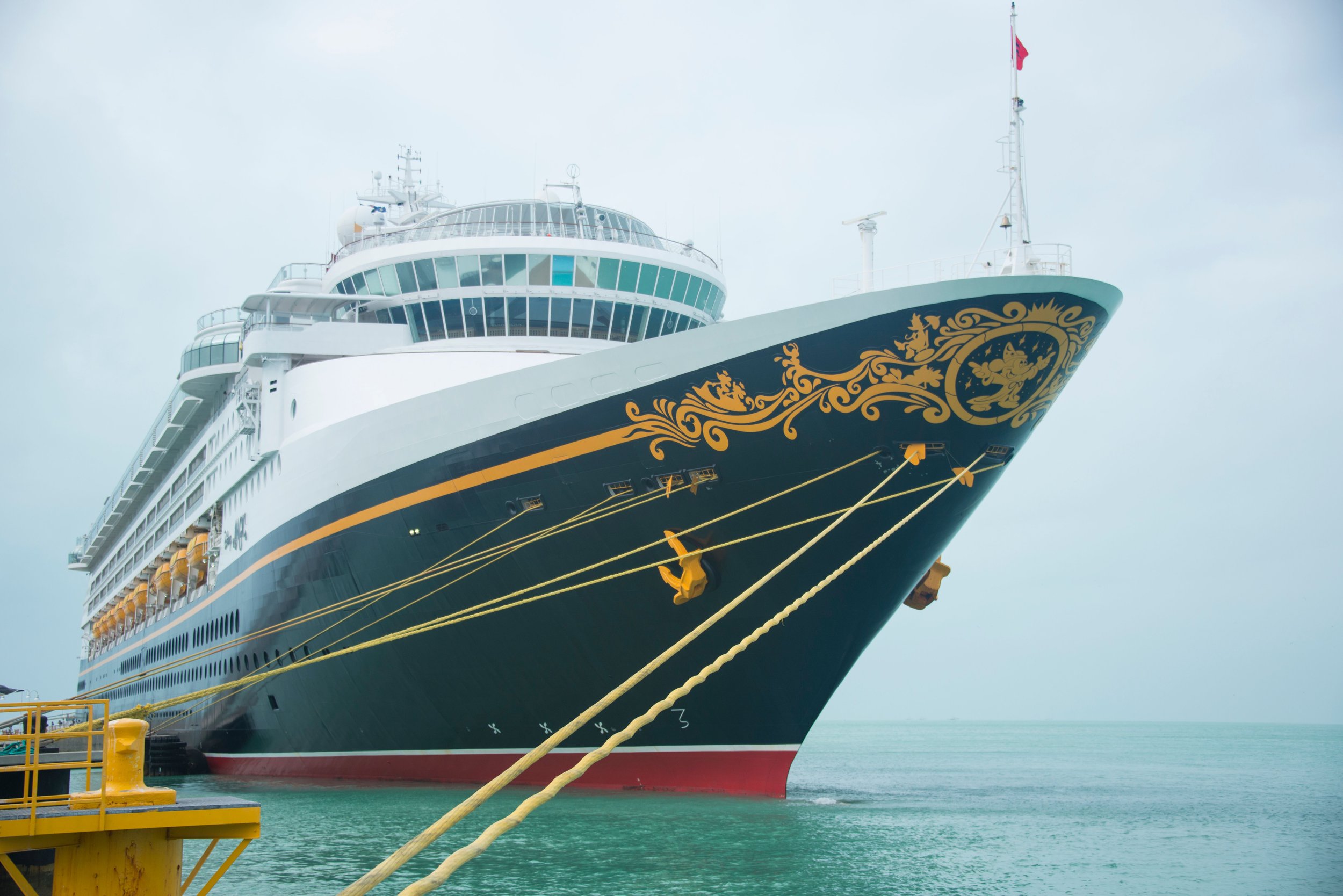
The Pros: Why Families Keep Coming Back
Unmatched service and organization. From the moment you step into the terminal, Disney has thought through the whole thing for you. Embarkation is smooth, and your stateroom host and dining servers rotate with you to each of the three main restaurants throughout the cruise — which means the same team gets to know your family's needs, quirks, and wishes from day one and carries that knowledge with you the whole sailing. Allergies, favorite drinks, which kid wants the same thing every night, who needs extra bread — it all gets remembered instead of re-explained. That's not an accident. That's a company that has genuinely dialed in hospitality.

Make it stand out
Top-tier entertainment, day and night. This isn't community-theater-on-a-boat energy. We're talking Broadway-caliber stage productions — full sets, real choreography, custom soundtracks — built around beloved Disney stories. On top of the theater shows, there are themed deck parties like Pirates Night, complete with fireworks off the side of the ship, and Frozen-themed celebrations depending on the sailing. Beyond the big-ticket nights, the ships are full of lounges and bars with live music, trivia, and games running throughout the evening, plus daytime pool activities, dance parties, and games for families. Bingo deserves its own shoutout here too — it's a genuine crowd favorite onboard, with great prizes and a fun, low-key way to bring the whole family together. And if a new Disney movie is out in theaters, there's a good chance it's playing on the ship too — DCL regularly brings current theatrical releases onboard alongside classic favorites. There's genuinely something happening from morning until late night, for every age group.
Immersive, secure youth clubs for every age — 6 months through 17 years. This might be the single biggest reason to sail Disney over anyone else, and the sheer range of age-appropriate options is a big part of why.
For the littlest cruisers, the It's a Small World Nursery offers professional childcare in a calm, whimsical space themed after the classic attraction, complete with interactive murals, soothing cloud ceilings, and soft play areas. It's available for babies and toddlers roughly 6 months to 3 years old (ages shift slightly to 1–3 on Transatlantic, Panama Canal, and Hawaii sailings). It does run on an hourly fee billed to your stateroom, and spots book up fast — advance reservations through Disney Cruise Line before your sailing are strongly recommended, with any remaining slots available onboard. Parents supply diapers, wipes, bottles, food, and a change of clothes, and cancellations need at least four hours' notice to avoid a fee.
For ages 3 to 12, the Oceaneer Club and Oceaneer Lab are free, drop-in centers with elaborate, ship-specific theming. Depending on which ship you sail, kids might explore Marvel Super Hero Academy, Fairytale Hall, and a Star Wars cargo bay on the newer Wish, Treasure, and Destiny, or Andy's Room, Pixie Hollow, and Disney Junior spaces on the Magic, Wonder, Dream, and Fantasy. Check-in and check-out are secured through your Key to the World card (or the Navigator app) plus a family password, and kids in this age range can move freely between the Club and Lab spaces on their own via connected internal corridors — no re-checking-in required each time they switch rooms. A few practical notes: leave toys, personal electronics, and outside snacks at home, and know that kids must be fully potty-trained, since counselors can't assist with diapers or pull-ups.
For tweens and teens, the Edge club (ages 11–14) and Vibe club (ages 14–17) round things out with their own loft-style hangout spaces, complete with a smoothie bar, dance floor, and media lounges at Vibe. Both operate on an open-house model, so tweens and teens can come and go as they please without needing to be checked in or out by a parent — giving older kids a sense of independence while still being on a Disney ship.
Put it all together and you've got age-appropriate, secure care and entertainment for literally every member of the family, which means real, guilt-free downtime for the adults too.
Adult-only spaces that actually feel adult. Even on a family-first ship, Disney carves out an extensive amount of 18+ space, and it's more than just a pool corner.
For daytime relaxation, there's the Quiet Cove pool area, a dedicated adults-only oasis with whirlpool spas, padded loungers, and attentive drink service — on Wish, Treasure, and Destiny it's an infinity pool overlooking the ocean, while the Dream and Fantasy feature Satellite Falls, a calm wading pool under a gentle rain curtain. Right alongside it, Cove Café serves specialty espresso and pastries by day and shifts into a wine and cocktail bar by evening.
For a quiet, elevated dinner, adult-exclusive dining ranges from Palo, an elegant Italian steakhouse available fleet-wide, to Remy, an exquisite French-inspired restaurant on the Dream and Fantasy, to Enchanté on the Wish and Treasure — a romantic French concept helmed by three-star Michelin chef Arnaud Lallement.
Nightlife gets its own dedicated real estate too. The Dream and Fantasy have entire 18+ nightlife clusters (The District and Europa) packed with themed venues like the Pink Champagne Bar and the Skyline Lounge, with its ever-changing panoramic cityscape views. The newer ships bring their own personality: Periscope Pub and the Haunted Mansion Parlor on the Treasure, and a Cruella de Vil-inspired piano bar, De Vil's, on the Destiny.
For pure relaxation, the Rainforest Room inside the onboard Senses Spa is an adults-only retreat with heated loungers, aromatherapy showers, and private outdoor hot tubs. And on land, the private islands carry the adults-only theme through too — Serenity Bay on Castaway Cay and the Tranquil Hideaway on Lookout Cay, more on both below.
This is the detail that surprises people who assume "Disney cruise" means nonstop princesses and character breakfasts for the whole trip — there's a genuine, well-built escape hatch for adults built into nearly every part of the ship and every port.
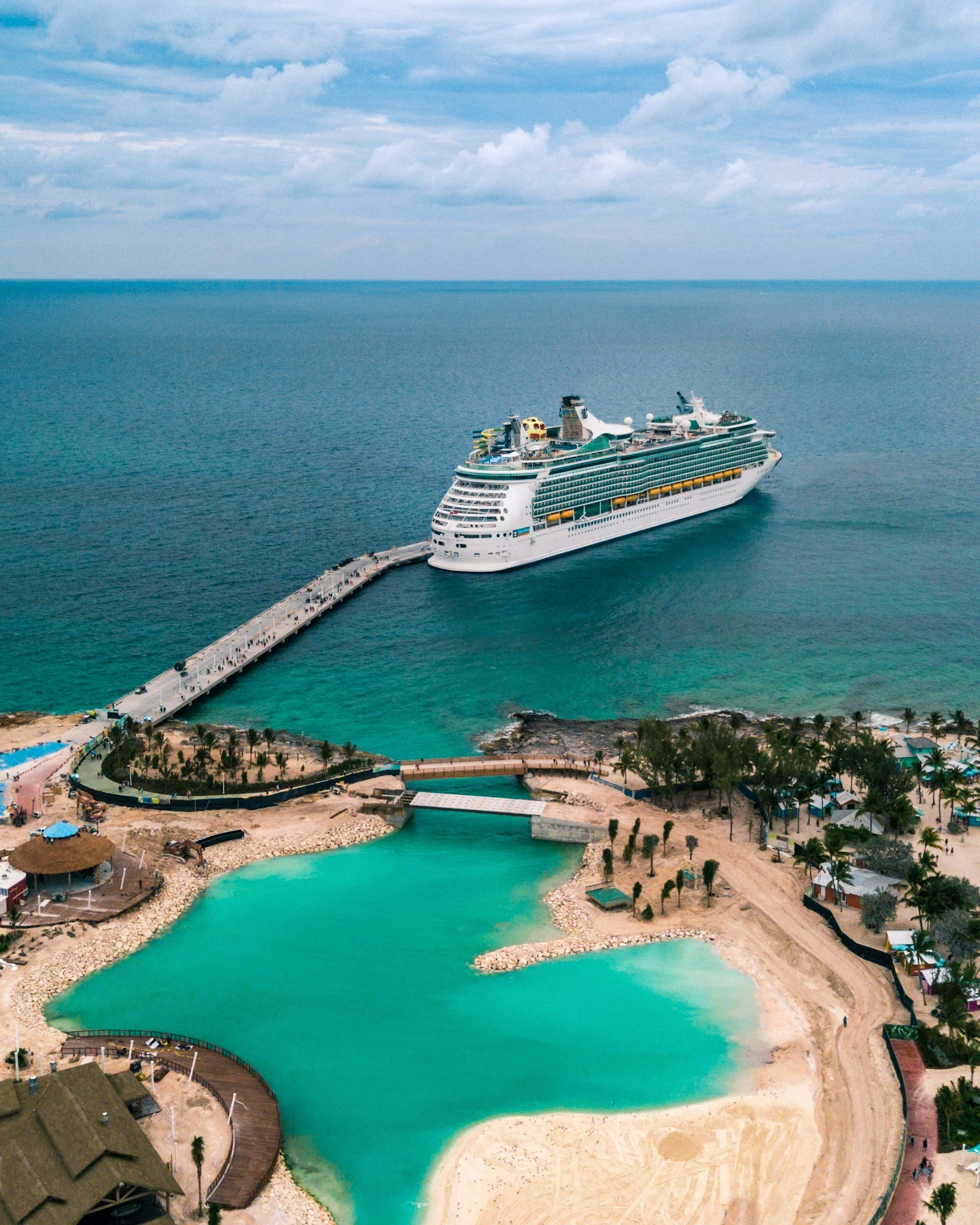
Private islands. Disney's two private Bahamian destinations are consistently ranked among the best in the cruise industry, and each has its own personality.
Castaway Cay, Disney's original private island, is all about classic, carefree island fun. The Castaway Family Beach has protected swimming lagoons plus the floating Pelican Plunge water-play structure with slides, while adults can retreat to Serenity Bay, a peaceful adults-only beach with bar service and private cabanas. Activities include renting snorkel gear to explore a lagoon dotted with sunken treasures — including a replica submarine and hidden Mickeys — booking Castaway Ray's Stingray Adventure to feed and interact with real stingrays, or taking part in the popular Castaway Cay 5K on foot or bike, complete with a finisher's medal. And complimentary island barbecue lunch at Cookie's or Cookie's Too is included in your cruise fare.
Lookout Cay at Lighthouse Point, Disney's newest destination on the island of Eleuthera, leans into the natural beauty and culture of the Bahamas. The un-netted Families Beach and the adults-only Tranquil Hideaway anchor the island, and the architecture throughout draws on the joyful colors of Bahamian Junkanoo festival traditions, with local art and cultural touches everywhere you look. Kids can play at the Rush Out Gush Out water play area while teens get their own dedicated hangout space, and adults can rent water bikes and paddleboards or shop original Bahamian artwork and crafts at Treasures of Eleuthera. There's also a complimentary beachside meal featuring local flavors and barbecue favorites, nature trails, and cultural celebrations led by Disney characters in special island attire.
Either way, the private island day is effectively already paid for in your fare — and it's consistently one of the most memorable days of a Disney cruise.
More dining flexibility than you'd think. Yes, dinner is rotational — more on that below — but that's really just one piece of a dining scene that runs from early morning to late at night.
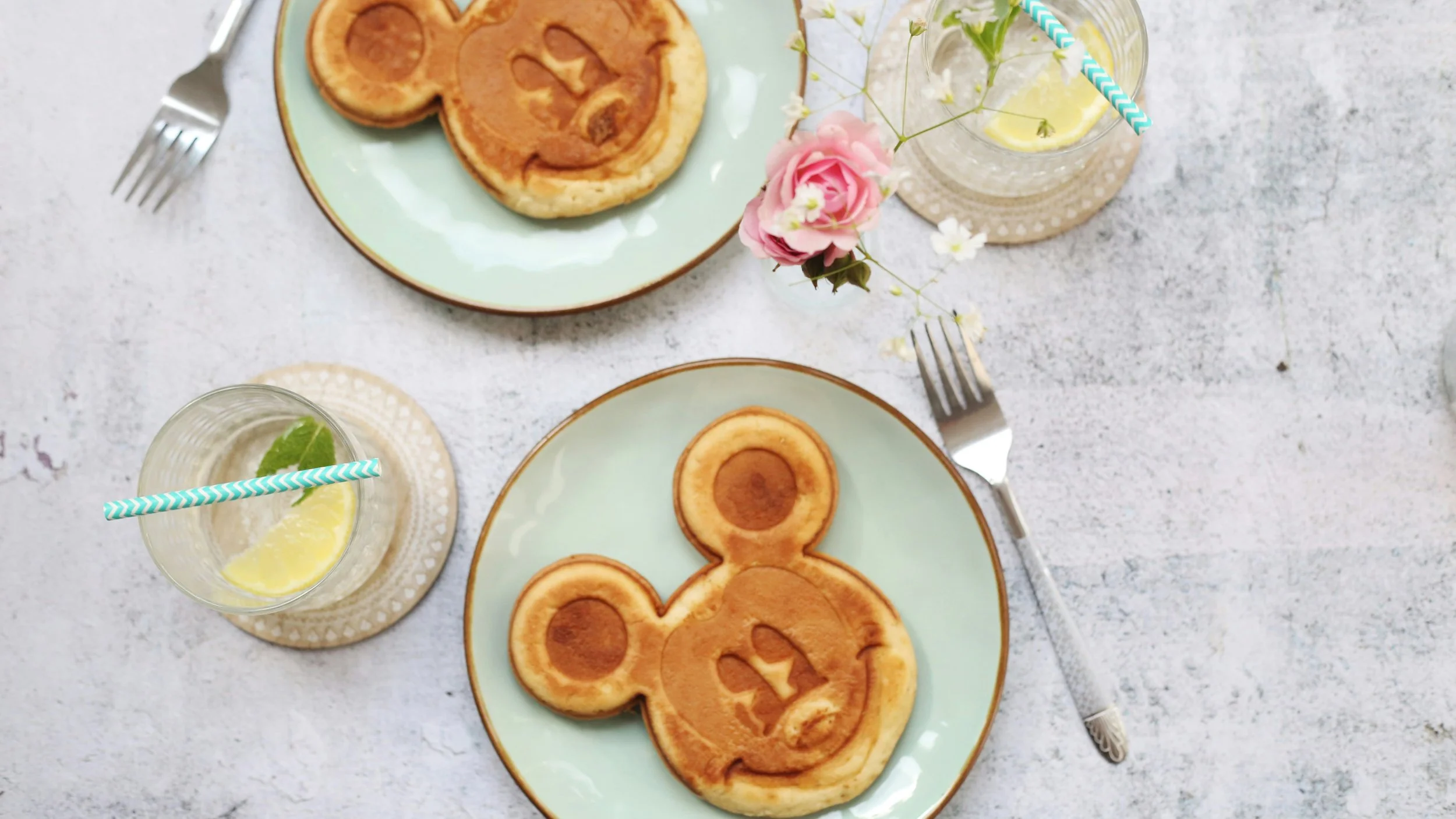
Mornings start with specialty coffee at Cove Café or the ship's own coffee shop, plus quick continental options at the upper-deck spots. The buffet — Cabanas or Marceline Market, depending on the ship — has a large self-serve breakfast spread with made-to-order omelets and Mickey waffles, and select main dining rooms even offer a sit-down, plated breakfast for a more relaxed start.
Midday keeps rolling: embarkation day includes a sit-down lunch option or buffet favorites to kick things off, and from there the pool deck quick-service stations — think Goofy's Grill, Daisy's Pizza Pies, and Donald's Cantina — cover burgers, pizza, and Mexican-inspired bites, while the buffet stays open for a full midday spread. On select sea days, Palo or Enchanté even host an upscale, adults-only Champagne brunch. And Eye Scream serves unlimited soft-serve ice cream all afternoon, which your kids will absolutely find.
Evening is when the rotational main dining rooms come in, with assigned seatings typically around 5:45 PM or 8:15 PM for a three-course, table-service dinner that rotates through three uniquely themed restaurants over the course of your cruise. If you'd rather skip the rotation for a night, adult-exclusive dinner at Palo or Remy is available for a fee, and the upper-deck quick-service spots stay open into the evening for something more casual.
And once dinner's done, the food doesn't stop — 24-hour room service covers everything from pizza to salads to Mickey Premium Ice Cream Bars delivered right to your stateroom (a few late-night items carry a small fee), and select adults-only lounges and bars serve complimentary light bites late into the night.
So even with a structured dinner rotation, you're never actually locked into one dining rhythm — there's something to eat pretty much any hour you're awake.
Sound like your kind of trip? I'm already dreaming about it with you — fill out this quick formand let's make it happen.
The Cons: What You Should Walk in Knowing
It's pricey. Let's put a number on it: DCL typically runs 30% to 100% more than comparable sailings on lines like Royal Caribbean or Carnival. Budget for a premium product. But it's worth understanding why, because the comparison isn't quite apples to apples.
DCL leans more "all-inclusive" than most competitors. Your fare covers first-run movies, Broadway-caliber shows, rotational dining, and complimentary soda and fountain beverages — several of those are upcharges on lines like Norwegian or Carnival. Standard staterooms also run about 25% larger than the industry average and include Disney's signature split-bathroom layout, which is genuinely useful for families getting ready at the same time. That said, DCL doesn't include an evening buffet the way some lines do, and specialty dining still carries an upcharge.
Where the fare comparison gets trickier is onboard extras. DCL doesn't offer a traditional unlimited beverage package, so alcohol and premium coffee purchases can add up quickly on your onboard account, and excursions and spa services tend to run higher than on lines like Royal Caribbean.
If you're cross-shopping Royal Caribbean or Carnival specifically, know that they typically offer more high-adrenaline shipboard attractions — think roller coasters and skydiving simulators — along with lower base fares and aggressive promotions like "kids sail free." What you're trading for that lower price is generally lower-inclusion dining and less polished production-value entertainment. And if you're comparing DCL to upper-premium or luxury lines like Celebrity, Disney's pricing is often right in that same range or higher — the difference is that Disney is built for families first, while lines like Celebrity are built around quiet, adult-focused refinement and elevated gastronomy.
If cost is your primary driver, DCL may not be your best fit, and that's okay. But if you're weighing "cheaper base fare with a lot of a la carte upcharges" against "higher base fare with more built in," the real gap often shrinks once you add everything up.
Rotational dining, not anytime dining. You don't get to pick a different restaurant on a whim each night — you're assigned a fixed seating, typically around 5:45 PM or 8:15 PM, and you rotate through three main dining rooms on that schedule with the same tablemates and servers throughout. That's a real contrast to the flexible "My Time" dining on Royal Caribbean, Norwegian's freestyle dining, or the anytime dining offered by Carnival and Celebrity, and it can create real friction if you're trying to work around kids' club activities or an excursion that runs long.
It also means there's no evening buffet to fall back on — unlike Princess or Holland America, DCL closes its main buffet (Cabanas) for dinner, so if you miss your assigned seating, you're relying on pool-deck quick service or room service instead. And if you land the early seating with young kids, be aware that service can feel rushed, since servers need to turn tables quickly to have the room ready for the second seating.
Some cruisers also feel the included main dining room menus can be a little safe or inconsistent in execution compared to the more globally diverse buffets or specialty dining on lines like Virgin Voyages — it's worth going in with reasonable expectations about the free, included dinner rather than comparing it to a specialty restaurant. And on the final morning, guests return to their assigned main dining room for a fixed-time breakfast that's often the most rushed meal of the cruise, since the crew is racing to turn the ship around for the next sailing.
Most people still love the consistency of the same servers each night (see: point one above), and the buffet and room service help fill in the gaps earlier in the day — but if you crave total dinner flexibility every night, this is worth knowing ahead of time.
Pools can be small, crowded, and rule-heavy. The themed splash pads and water slides on DCL are genuinely well designed, but the pools themselves are a common source of disappointment for guests, and it's worth going in with realistic expectations.
Family pools on ships like the Fantasy and the Wish-class vessels get packed fast, especially on sea days — crowding is common enough that cruisers often describe it as "people soup." Part of the issue is size: DCL pools are strictly wading pools, with max depths generally capped around 4 to 4.5 feet and no lap lanes, so there's not much room to actually swim laps or spread out. On top of that, pools are routinely shut down for 10-15 minute stretches for mandatory chemical rebalancing or after contamination incidents, which adds up over a week-long cruise.
The rules extend to who can get in the water at all — kids who aren't fully potty-trained are not allowed in the main pools, swim diapers included, and are limited to designated splash zones instead, which vary in size and shade coverage depending on the ship. This one catches families with toddlers off guard more than almost anything else, so it's worth planning around if you're sailing with a little one still in diapers.
Even the adults-only Quiet Cove isn't immune — on the newer Wish, Treasure, and Destiny, that space can suffer from noise carrying over from nearby areas, and the infinity pools there tend to be smaller than the pools on the older Dream-class ships. If you're deciding between ships, pool size and layout is a great thing to ask your travel agent about, since it varies more than people expect.
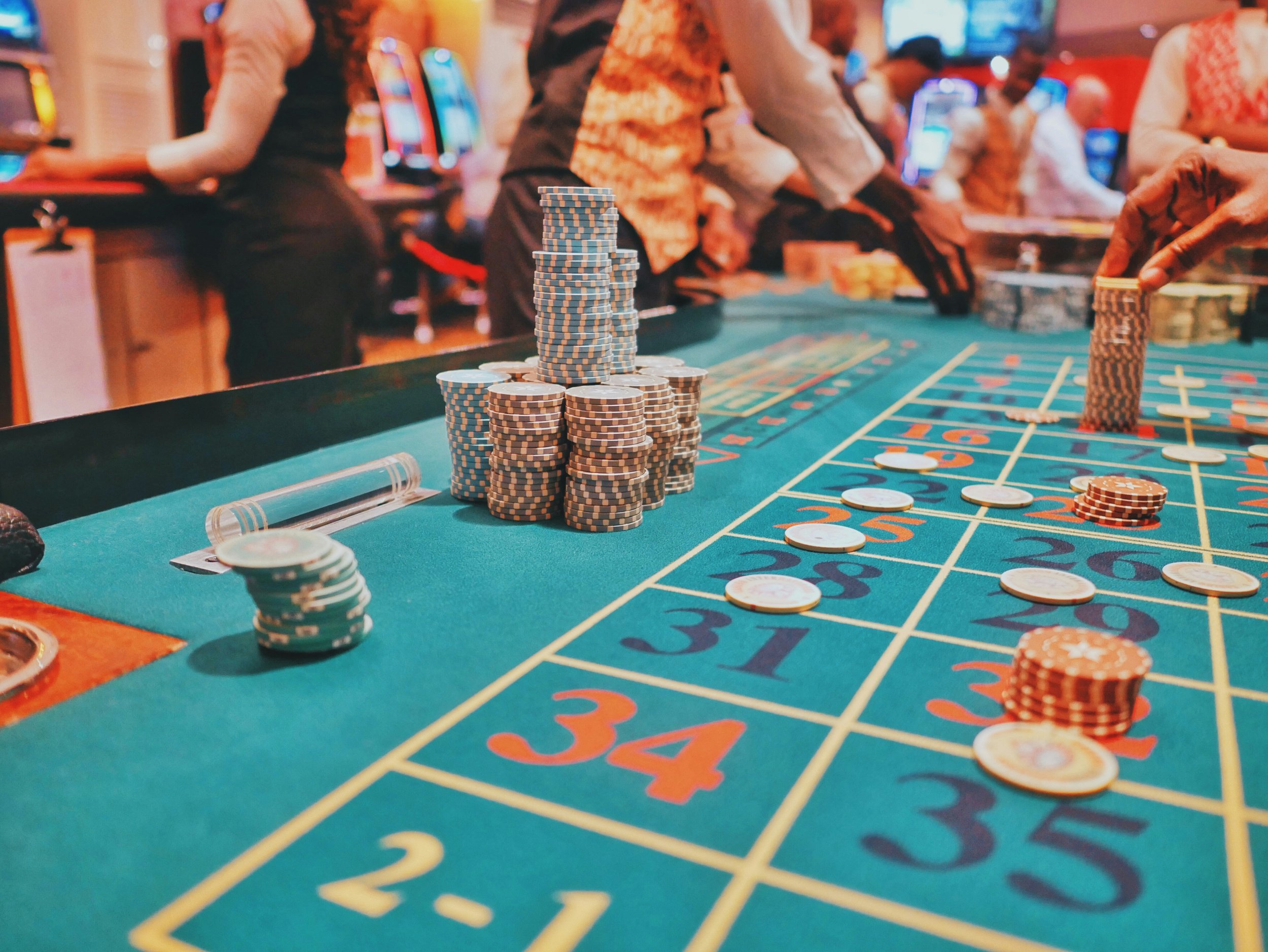
No casino. For some adults, that's a dealbreaker — no casino floor to walk through, no late-night blackjack. If a casino night is part of your cruise ritual, you won't find it here.
Limited itineraries — for now. With a smaller fleet than the mega cruise lines, Disney simply can't offer the same breadth of ports and regions today. You'll find strong Bahamas/Caribbean options out of Florida, seasonal Alaska and Europe sailings, and occasional trips to the Mexican Riviera, Hawaii, and Australia — but if you're chasing a very specific, less-common itinerary, your options may be tighter than a global mega-line. That said, Disney is actively growing its fleet, with new ships launching in the coming years, so itinerary variety is only expanding from here.
So, Is It Worth It?
Here's where I land: if you want a vacation where the details are handled for you — where the entertainment, the food, the kids' program, and the little touches are all working in your favor — Disney Cruise Line earns its price tag. It's not the right fit for the cruiser chasing the cheapest fare or the widest casino floor. But for families who want magic without having to manage it themselves? It's hard to beat.
If you're weighing a Disney cruise against another line and want help figuring out what actually fits your family and your budget, that's exactly what I'm here for.
Ready to start planning your own Disney Cruise Line adventure? Fill out this form and let's find the sailing that's right for you.
